Jul. 31, 2026
The supply chain of an equestrian helmet factory is crucial for producing safe and durable helmets. Many riders worry about the quality and protection their helmets provide. Understanding the supply chain helps address these concerns. A streamlined supply chain ensures timely production, quality materials, and affordability. By exploring how an equestrian helmet factory operates, customers can make informed decisions. Each step, from raw materials to final product, plays a significant role in helmet safety and performance. 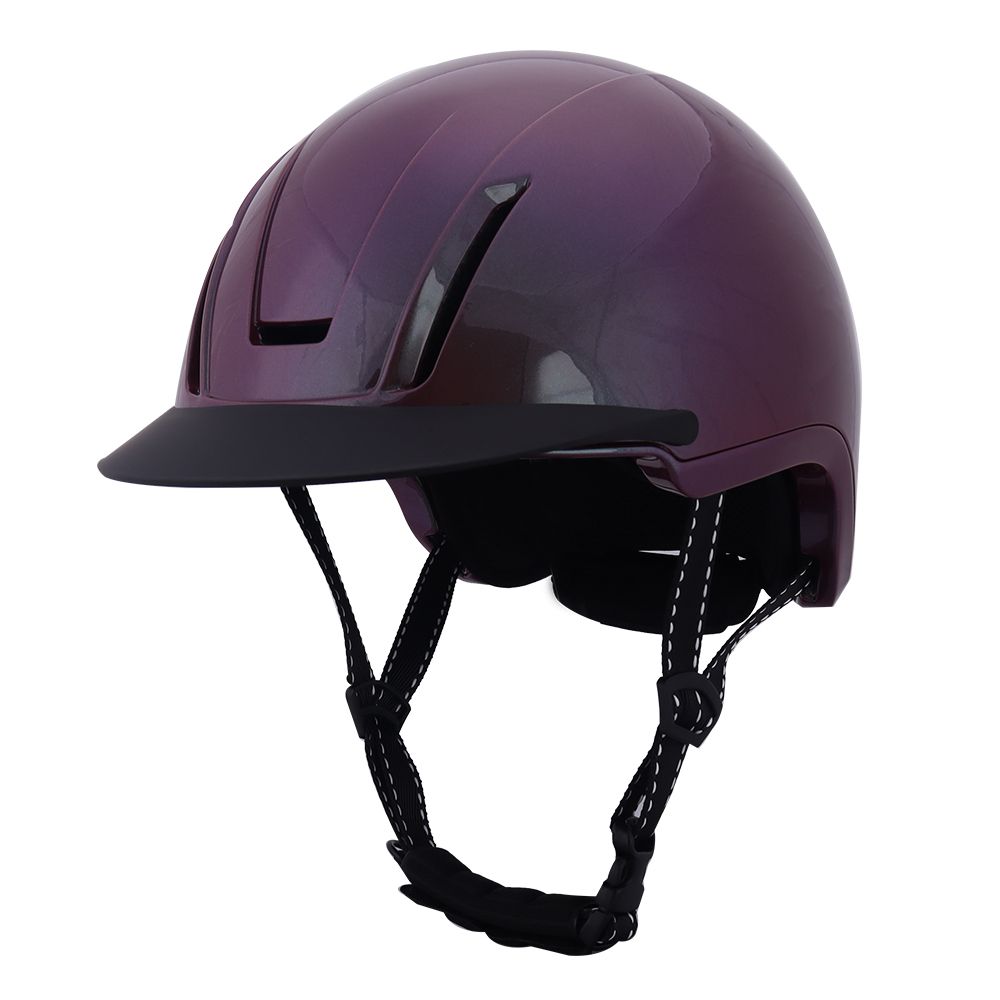
The supply chain of an equestrian helmet factory includes sourcing materials, designing, manufacturing, and distributing helmets to ensure safety and efficiency.
The first step involves selecting high-quality materials. Common materials include polycarbonate, fiberglass, and EPS foam. These materials contribute to helmet durability and safety.
After sourcing materials, the design process begins. Engineers and designers work together to create helmets that meet safety standards. Advanced technology is used for testing prototypes.
Manufacturing involves several key stages:
| Stage | Description |
|---|---|
| Forming | Shaping the outer shell of the helmet. |
| Fitting | Adding padding and adjusting the fit. |
| Quality Control | Inspecting each helmet for safety compliance. |
Once manufactured, helmets are carefully packaged. This protects them during transportation. Distribution channels often include retailers and online sales. This ensures helmets reach customers quickly and safely.
Finally, feedback from customers is collected. This information helps in improving future designs and manufacturing processes.
Each step in the supply chain impacts the final product's quality. For example, using strong materials is vital for helmet resilience against impacts.
A smooth supply chain process builds customer confidence. Riders are more likely to purchase helmets from brands they trust.
Efficient manufacturing and distribution reduce the time it takes for customers to receive their helmets. This can lead to increased sales and customer satisfaction.
One challenge faced is the sourcing of materials. Global supply chain disruptions can lead to delays in production.
Another challenge is keeping up with evolving safety regulations. Helmet factories must continuously adapt to stay compliant.
Managing production costs while maintaining quality can be difficult. Factories need efficient processes to keep prices competitive.
Understanding the supply chain of an equestrian helmet factory is essential for ensuring safety and quality. Each step, from material sourcing to distribution, contributes to the final product. By knowing how these processes work, riders can choose helmets that provide the best protection. Manufacturers like CGpro Sports are dedicated to delivering high-quality helmets through efficient supply chains.
Equestrian helmets are commonly made from polycarbonate, fiberglass, and EPS foam.
Design is developed through collaboration between engineers and designers using advanced technology for testing.
Safety is ensured through strict quality control and compliance with safety standards during production.
Customer feedback is collected to improve future designs and manufacturing processes.
Main challenges include material shortages, meeting safety standards, and cost management.