Jul. 23, 2026
The equestrian helmet factory plays a vital role in modern horse riding safety. Horseback riding can be exciting, but it also comes with risks. Riders need protection from falls and accidents. High-quality helmets can significantly reduce the risk of serious injury. New materials and technology in design enhance the safety features of these helmets. A well-made helmet can save lives.
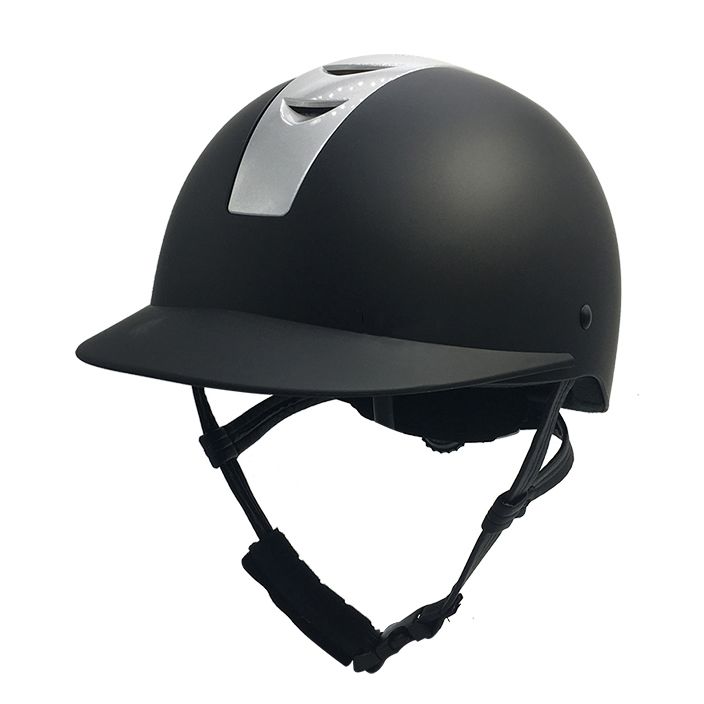
The equestrian helmet factory ensures that riders have access to safe, reliable helmets, which are essential for riding safety.
Statistics show that safety helmets can reduce the risk of head injuries by up to 85%. Riders are at a higher risk of falling during a ride, making head protection necessary.
The first step in making helmets is selecting the right materials. Common choices include polycarbonate, fiberglass, and expanded polystyrene. Each material provides different levels of strength and weight.
Helmet design must consider aerodynamics and comfort. Engineers create prototypes to test safety and comfort features. The design process involves several rounds of testing.
Different regions have various safety standards. Helmets must meet certain requirements to ensure they offer adequate protection. Popular standards include ASTM/SEI in the United States and VG1 in Europe.
Smart helmets incorporate technology like impact sensors and communication devices. These enhancements can alert riders to potential dangers or help in emergency situations.
Consumers should be educated about helmet safety features. They should know how to choose a helmet that fits properly and meets safety standards. This knowledge can help them make informed decisions.
The equestrian helmet factory is essential in promoting riding safety. By producing high-quality helmets, these factories help protect riders from potential injuries. Continued innovation and adherence to safety standards will further improve helmet effectiveness.
1. Why are equestrian helmets necessary? Equestrian helmets protect riders from head injuries during falls and accidents.
2. What materials are commonly used in helmet manufacturing? Common materials include polycarbonate, fiberglass, and expanded polystyrene.
3. How do I choose the right helmet? Make sure the helmet fits properly and meets local safety standards.
4. What are smart helmets? Smart helmets are equipped with technology such as sensors to enhance rider safety.
5. What safety standards should helmets meet? Helmets should meet standards like ASTM/SEI in the USA and VG1 in Europe.
6. Can helmets really prevent injuries? Yes, properly designed helmets can significantly reduce the risk of head injuries.