Aug. 03, 2026
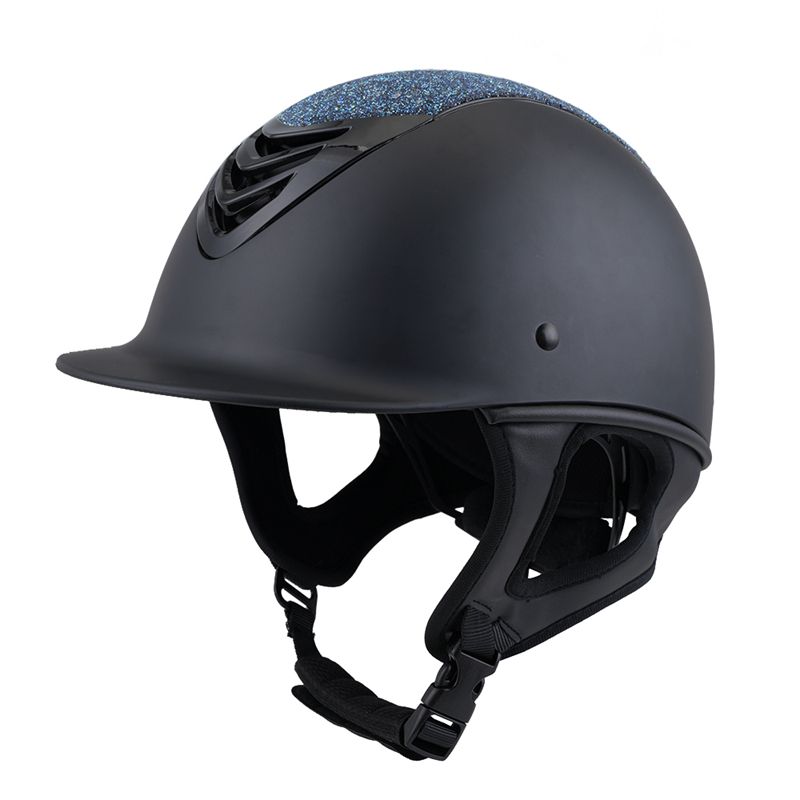
Ensuring optimal ventilation in riding helmets is crucial for comfort and safety. In this article, I'll walk you through the intricate engineering process behind the ventilation systems of riding helmets, particularly those produced by CGpro Sports. By following these actionable steps, you'll not only understand the engineering principles but also appreciate how these systems solve real-world problems faced by equestrians.
To begin successfully enhancing ventilation in riding helmets, it's important to understand the primary function of ventilation systems: to maintain airflow and regulate temperature, ultimately enhancing rider comfort during prolonged periods of wear. Here’s the streamlined process I’ll break down:
Understand the Requirements: The first step is to evaluate the specific needs related to ventilation. Research shows that helmets ventilated effectively maintain an optimal internal temperature of around 20°C (68°F) even during strenuous activity, improving user satisfaction significantly. Incorporate standards like ASTM F1163 to ensure safety while considering these comfort parameters.
Design and Material Selection: Working with professionals in helmet manufacturing, like those at our equestrian helmet factory, selecting appropriate materials is critical. Lightweight yet sturdy composites—like polycarbonate and advanced foams—which have been shown to effectively absorb shock, should be combined with mesh or perforated linings to facilitate airflow.
Ventilation Pathway Engineering: The flow of air can be optimized by creating specific channels throughout the helmet design. Computational Fluid Dynamics (CFD) software is invaluable here, as it allows engineers to simulate airflow within the helmet. Aim for a design where air inflow and outflow points create a continuous airflow pattern.
Prototype Testing: Once the engineering design is finalized, prototypes are essential for evaluation. Testing against ASTM and other relevant international standards ensures that the designs not only meet safety compliance but also functionality, enabling a 100% inspection before final production.
Iteration Based on Feedback: Conduct field trials with equestrian professionals to gather data. My experience has shown that incorporating user feedback during this phase often leads to significant enhancements in comfort and usability, ensuring that systems work optimally in real-world conditions.
Final Production Decisions: In the final stages, work with manufacturers to streamline production processes. A 24-hour response capability for any production issues helps ensure that any adjustments needed are incorporated swiftly.
While executing these steps, challenges such as material shortages or design flaws can arise. To overcome these, engage in ongoing communication with suppliers and utilize agile methodologies to adapt quickly to changes. Utilize resources like CAD software to enhance the engineering design process; investing in education and training can also prove beneficial.
In summary, the engineering of ventilation systems in riding helmets is a multifaceted process, one that directly impacts rider comfort and safety. Utilizing a structured approach, founded on research and real-world feedback, enables manufacturers like CGpro Sports to produce helmets that not only meet safety standards but also achieve optimal airflow.
Take immediate action by exploring these steps for your helmet design strategy. Focus on understanding user needs, engaging in expert collaboration, and testing rigorously to ensure your riding helmets provide both comfort and assurance—qualities that riders around the world demand from their gear.
For more information on how CGpro Sports is leading the way in engineering advanced ventilation systems, check out our details here. Together, let’s elevate riding safety while ensuring riders are comfortable every step of the way.