Aug. 11, 2026
Navigating the complexities of prototype development in helmet manufacturing can be daunting, but it doesn't have to be. At CGpro Sports, I promise to guide you through an efficient, step-by-step process that addresses critical user problems—from concept to creation—ensuring your helmets are safe, durable, and compliant with industry standards. By the end of this article, you'll have a clear path to develop successful prototypes, enhancing your product offerings and streamlining your manufacturing processes.
To kick off prototype development in helmet manufacturing, you’ll follow a systematic approach. Let’s break it down into key steps:
Start with identifying the specific needs of your target audience. Consider factors such as:
Utilize software such as AutoCAD or SolidWorks for creating precise designs, ensuring an accuracy to within 0.01mm. This precision is crucial in a domain where fit can significantly affect both performance and safety.
Once your design is ready, it’s time to fabricate a working prototype. Collaborate with your equestrian helmet factory to produce a sample that reflects the design specifications. During this stage:
Safety testing is non-negotiable in helmet manufacturing. Ensure your helmet prototypes undergo rigorous evaluations such as:
Gather data on how your prototypes perform under pressure, and don't shy away from cycling back to your design if necessary. This iterative process helps resolve issues before product launch.
After successful testing and adjustments, finalize your product design for mass production. Key considerations at this stage include:
Utilize tools like ERP software to manage these aspects seamlessly.
With your product ready to hit the market, it’s vital to maintain a feedback loop. Collect customer insights post-launch and utilize them to inform future iterations. Leveraging tools like Google Analytics for tracking user engagement can provide actionable data to enhance your designs.
Like any development process, prototype creation in helmet manufacturing may encounter hurdles. Here’s what to watch for and how to tackle these challenges:
To streamline the prototype development process, I recommend:
Remember, the journey of prototype development in helmet manufacturing is a strategic one, and executing these steps with precision will lead to remarkable results. By implementing the methodical approach outlined above, you’ll not only produce high-quality helmets but also foster trust among your customers. See how CGpro Sports excels in this arena, preparing you to face the challenges head-on.
Let's recap—focus on:
By moving forward with these actionable steps, you’ll enhance your manufacturing efficiencies and ultimately deliver safe, high-performance helmets to the market. For more information and a glimpse of our work, visit 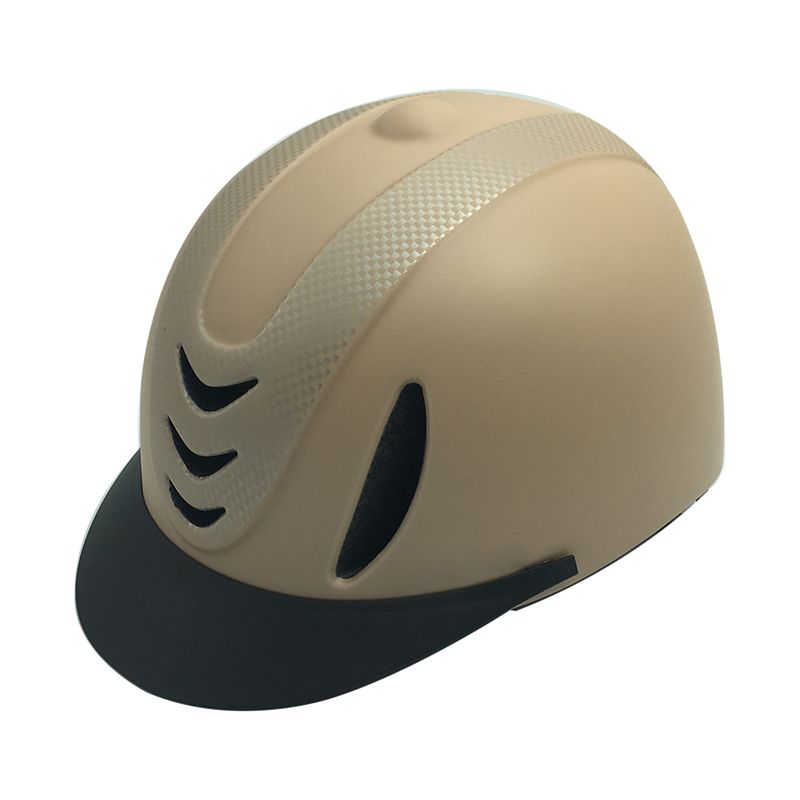 .
.
Start your journey with CGpro Sports today!