Aug. 10, 2026
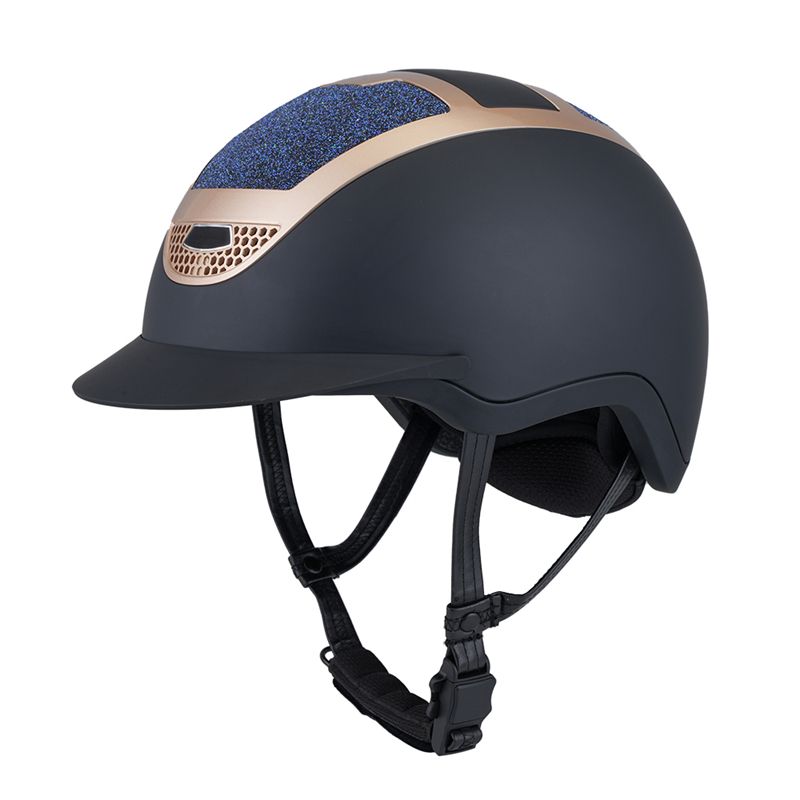
OEM, or Original Equipment Manufacturer, refers to companies that design and manufacture products that are eventually rebranded by other companies, such as equestrian helmets. This process involves collaboration between the factory and the purchasing brand, focusing on quality, safety, and design specifications.
OEM projects are vital in the equestrian helmet industry to ensure that safety standards and design expectations are met. This partnership aids in enhancing brand reputation and market reach.
Begin by laying out the requirements for the equestrian helmets, including design, materials, safety standards, and production timelines. Engaging with stakeholders for their inputs early is crucial.
Select a suitable helmet factory that has experience in OEM projects. Assess potential partners based on:
Create a detailed project plan that outlines timelines, milestones, and deliverables. This plan should include:
Develop a prototype of the equestrian helmet based on the agreed specifications. Ensure to:
Once the prototype is approved, move on to full-scale production. Focus on:
Prepare for publication and distribution, planning promotional strategies and channels. Ensure marketing materials play up the unique features of the helmets produced through OEM.
Ensure all stakeholders are kept in the loop through regular updates and feedback sessions to prevent misalignment.
Always keep an eye on quality, as cutting corners can jeopardize safety standards and brand reputation.
Be realistic about timelines; include buffer periods in the project schedule to accommodate unforeseen delays.
Managing OEM projects within an equestrian helmet factory involves careful planning, selection of the right partners, and maintaining high standards of quality. By following the detailed steps outlined in this guide, brands like CGpro Sports can successfully navigate the complexities of manufacturing to bring safe and stylish helmets to the market. For more on our quality helmets, visit CGpro Sports.