Jul. 29, 2026
In the equestrian industry, safety is paramount. Riders often face concerns about the adequacy of protection offered by their helmets. User investigate issues like poor fit, inadequate ventilation, and helmet performance in the event of a fall. Equestrian helmet factories, such as CGpro Sports, are instrumental in addressing these user problems, providing high-quality products that deliver safety and comfort. By understanding riders' needs and using advanced manufacturing techniques, these factories not only enhance the riding experience but also support global riding brands by offering reliable helmets that riders can trust.
Before understanding how equestrian helmet factories meet user needs, it's crucial to identify the necessary preparations and conditions. Riders typically look for helmets that offer protective features, such as the EN1384 certification, lightweight materials, and adjustable fitting systems.
If you're considering purchasing a new helmet, ensure that it accommodates features like moisture-wicking padding and UV resistance, which enhance comfort during rides.
When selecting an equestrian helmet that meets safety standards and user expectations, follow these simple steps:
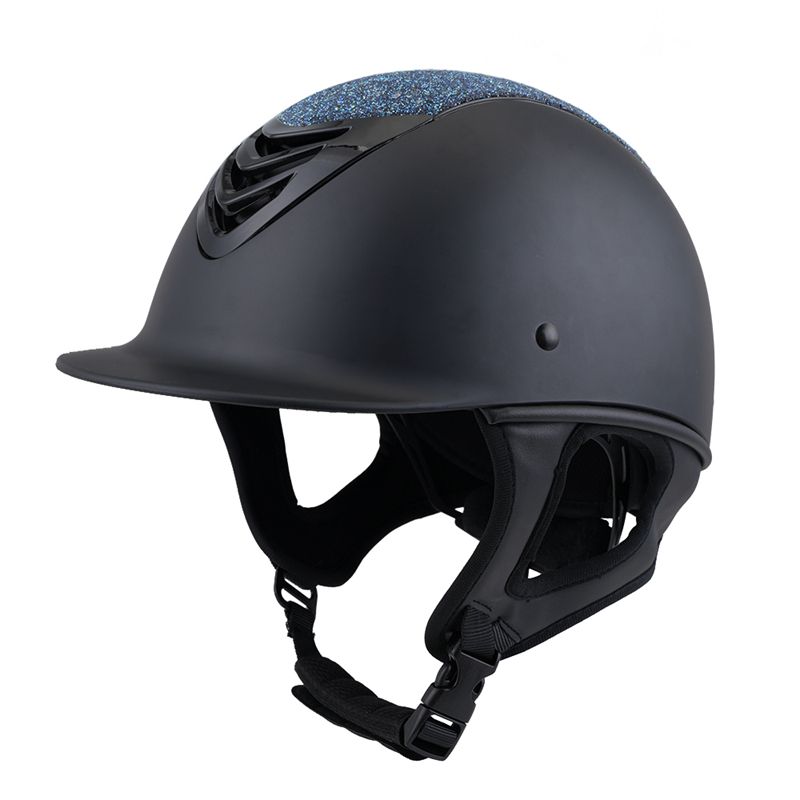
Here are common mistakes riders make when selecting helmets and how to avoid them:
It's essential to prioritize safety when choosing equestrian helmets. Equestrian helmet factories play a crucial role in manufacturing high-quality helmets that support global riding brands. By understanding users' needs and providing helmets enriched with safety features, these factories contribute significantly to rider safety and comfort.
For riders, engaging with credible brands like CGpro Sports not only enhances safety but also optimizes performance. Always consider the fit, ventilation, and certifications to ensure you select the most suitable helmet for your riding activities.
What features should I look for in an equestrian helmet?
Look for fitting systems, ventilation holes, moisture-wicking liners, and safety certifications to ensure optimal protection and comfort.
How often should I replace my riding helmet?
Replace your helmet every five years or sooner if it has undergone a significant impact. Look out for any visible signs of wear.
Are all riding helmets the same?
No, the quality, safety features, and comfort can vary significantly between brands and models. Always do thorough research before purchasing.