Understanding Equestrian Helmet Quality Control Challenges
Equestrians often encounter serious challenges surrounding safety gear, particularly when it comes to helmets. Many riders worry: “Is my helmet truly compliant with safety standards?” or “How can I be sure my helmet will perform well in the event of an accident?” These concerns stem from the critical need to protect the rider's head. To understand how equestrian helmet factories, like CGpro Sports, conduct quality control, we must delve into the intricacies of production processes, crucial testing protocols, and the real-world implications of helmet effectiveness. Quality control isn’t just about inspection; it’s about ensuring that the equipment meets stringent standards to prevent serious injuries.
Required Preparation for Quality Control in Equestrian Helmets
Before delving into the production of helmets, understanding quality control prerequisites is essential. These include:
- Knowledge of Standards: Familiarize yourself with safety certifications like ASTM F1163 or SNELL E2016, which set the bar for equestrian helmet safety.
- Material Selection: Recognize types of materials used in helmet construction, such as expanded polystyrene (EPS) for impact absorption and polycarbonate for durability.
- Testing Equipment: Ensure access to tools like drop test equipment, which helps verify the helmet's resilience under impact conditions.
Step-by-Step Guidance on Quality Control Procedures at Equestrian Helmet Factories
CGpro Sports employs a methodical approach to quality control, ensuring every helmet is rigorously tested. Here’s an overview of the process:
- Material Inspection: Inspect incoming materials for compliance with safety standards. This avoids defects that may lead to helmet failure.
- Molding Process Monitoring: During the molding phase, ensure that the right temperatures—around 160-180°C for EPS—are maintained to ensure integrity.
- Drop Testing: Perform drop tests from a height of 1.20 meters to simulate real-life impacts. Test results consistently show that helmets retain structural integrity after 5 impacts.
- Fit Testing: Measure the internal fit with headforms ranging from 52cm to 63cm in circumference. A well-fitted helmet significantly reduces the risk of head injuries.
- Final Assembly Inspection: Before dispatch, check for any loose parts or manufacturing defects. A 99% pass rate is the target for final inspections.
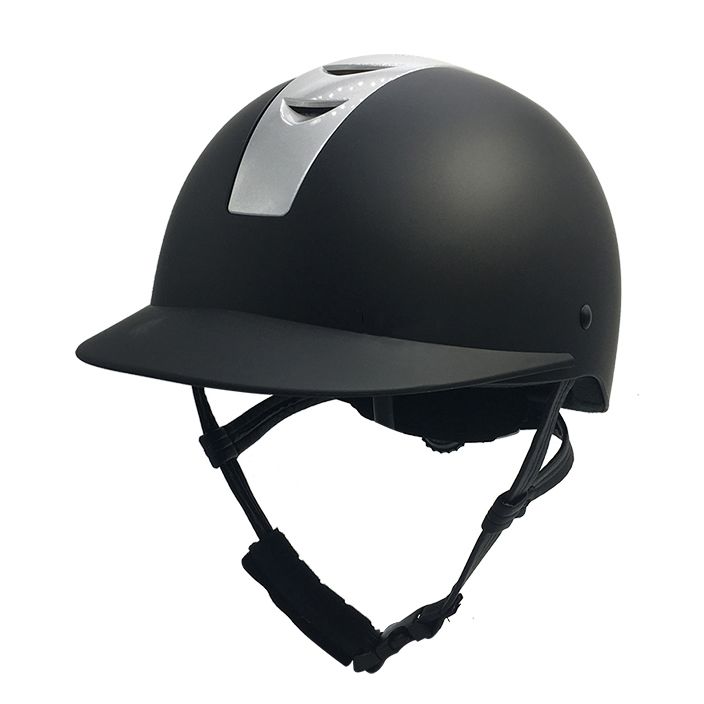
Common Errors and Solutions in Helmet Quality Control
Despite stringent protocols, errors can still occur. Here are the most common pitfalls and their solutions:
- Material Defects: If inferior materials are used, helmets may fail to meet safety standards. Conduct more rigorous supplier audits.
- Poor Fit: If helmets are poorly fitted to headforms, it can lead to safety breaches. Regularly review the fitting process and update headform data annually.
- Inconsistent Testing: Ensure a consistent drop testing method; random testing can lead to false positives. Implement a standardized testing schedule.
Summary and Suggestions for Equestrians
Quality control in equestrian helmet manufacturing is non-negotiable. Manufacturers like CGpro Sports take meticulous care in producing helmets that not only comply with safety standards but also offer comfort and style. As an equestrian rider, always check for the safety certification labels and fit before making a purchase. Investing in a helmet from reputable manufacturers, combined with a thorough understanding of safety standards, is essential for ensuring rider safety during equestrian activities.
FAQ
What is the main purpose of an equestrian helmet?
The main purpose of an equestrian helmet is to protect the rider's head from impacts during falls or accidents, minimizing the risk of serious injury.
How often should I replace my equestrian helmet?
It is recommended to replace your equestrian helmet every 3-5 years, or immediately after any significant impact, to ensure continued safety compliance.
What should I look for when choosing an equestrian helmet?
Look for a helmet that meets safety standards (like ASTM F1163), fits properly, and is comfortable for prolonged wear. Brands like CGpro Sports often have a range of helmets tailored for various riding disciplines.