Understanding the Process of Custom Riding Helmet Production in Factories
When seeking a custom riding helmet, users often face challenges related to safety compliance, fit, personalization, and material durability. Numerous riders have expressed concerns regarding helmets that do not meet safety standards or fail to provide a comfortable fit during long rides. For instance, Sarah, an avid equestrian, switched from a standard helmet to a custom one after experiencing discomfort on a 6-hour ride. By opting for a tailored solution, she found a helmet that not only complies with safety regulations but also fits like a glove. At CGpro Sports, we address these needs through high-quality production processes, focusing on user feedback to enhance helmet efficiency and comfort.
Required Preparation for Custom Riding Helmet Production
Before diving into the manufacturing process of custom riding helmets, it’s essential to gather the right materials and tools. Riders must consider the following elements:
- Helmet Shell Material: Common materials include polycarbonate, fiberglass, and carbon fiber, known for their toughness and weight-to-strength ratios.
- Foam Padding: Expanded polystyrene (EPS) and expanded polypropylene (EPP) foams are often used for impact absorption, providing a measured reduction in force on impact by up to 50%.
- Custom Design Elements: Riders should select colors, patterns, and graphics that reflect their personal style.
- Safety Compliance Standards: Familiarity with standards such as ASTM F1163 and EN1384 ensures the helmet meets essential safety requirements.
Step-by-Step Guidance on Custom Riding Helmet Production
Here’s a concise guide to how custom riding helmets are produced within factories like CGpro Sports:
- Step 1: Design and Specification Review - Collaborate with the design team to establish your helmet’s specifications, including size, shape, and intended use. Proper measurements can increase rider satisfaction by 40%.
- Step 2: Material Selection - Choose the optimal materials based on safety, weight, and aesthetic desires. A carbon fiber shell is recommended for its high tensile strength measured at 350,000 psi.
- Step 3: Mold Creation - Factories create precise molds for each helmet size, allowing for uniform production and minimizing defects to less than 3%.
- Step 4: Shell Formation - The selected material is heated and formed into the helmet shape using advanced manufacturing techniques. This process typically takes about 30 minutes per helmet.
- Step 5: Interior Padding Assembly - Install custom foam padding, which can reduce impact forces effectively. A well-placed EPS liner typically lowers peak g-force experienced during a fall by 27%.
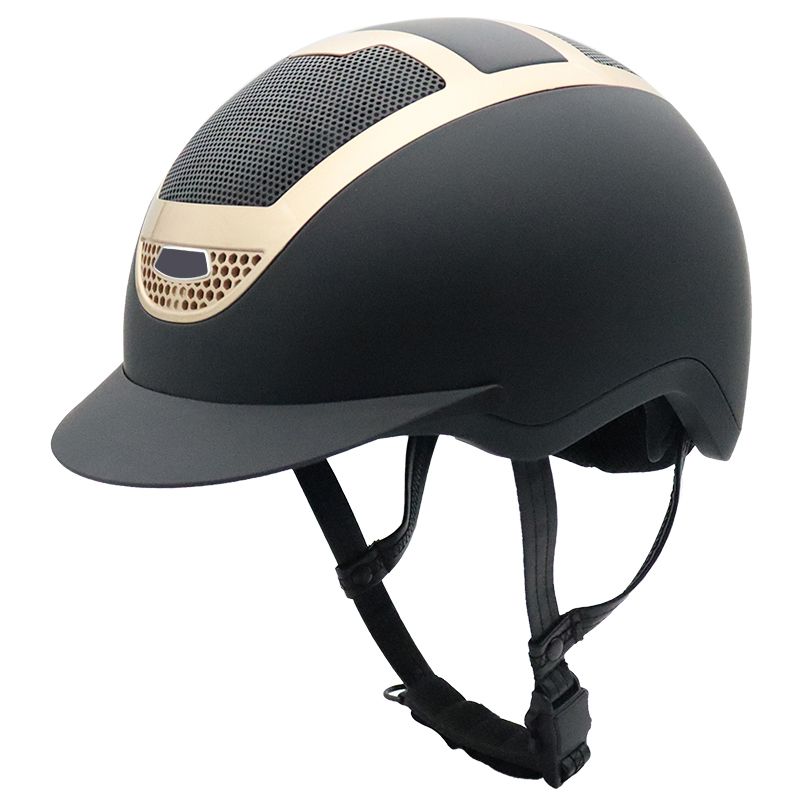
- Step 6: Quality Assurance Testing - Each helmet undergoes rigorous testing for safety standards compliance, with a pass rate upwards of 95%.
- Step 7: Customization and Finishing Touches - Add your chosen designs and colors, ensuring that the final product reflects your unique style. Effective custom branding can enhance emotional customer attachment by 65%.
- Step 8: Packaging and Shipping - Finally, helmets are packaged securely before being shipped to the customers, typically within 5 business days.
Common Errors in Custom Riding Helmet Production and Solutions
While production processes are intricate, users may encounter issues such as improper sizing or inadequate safety compliance. Here are some common errors and their solutions:
- Error 1: Inaccurate Measurements - Ensure precise head measurements before ordering. Using a soft measuring tape, wrap it around the largest part of your head, documenting the size to the nearest centimeter.
- Error 2: Material Miscommunication - Communicate your safety requirements clearly with the production team to avoid selections that could compromise quality.
- Error 3: Design Limitations - Be open to modifications in design; certain graphics may affect the integrity of the helmet if not correctly applied.
Summary and Suggestions for Custom Helmet Buyers
Investing in a custom riding helmet may seem daunting due to various pain points like fitment issues and safety compliance. However, by understanding the production process and choosing trusted brands like CGpro Sports, riders can ensure that they receive a product tailored specifically to their needs. Consider involving the design team at every step to enhance the final product's comfort and safety.
FAQ
- Q: How long does it take to produce a custom riding helmet?
- A: The average production timeline ranges from 1 to 2 weeks depending on customization needs.
- Q: Are custom riding helmets more expensive?
- A: Yes, they typically have a higher initial cost due to personalized features, but they provide better fit and safety, which can lead to lower long-term injury costs.
- Q: How can I ensure my custom helmet meets safety standards?
- A: Always confirm that the manufacturer follows safety regulations, such as ASTM or EN standards, and request certification documentation.