Aug. 13, 2026
The equestrian helmet factory market is evolving rapidly, influenced by factors such as technology, safety regulations, and consumer preferences. In 2026, we anticipate key market trends that will reshape the industry, addressing user needs and pain points about safety, comfort, and style. Understanding these trends is fundamental for manufacturers and distributors aiming to cater to the global demand for high-quality equestrian helmets.
One of the most critical trends is the growing consumer demand for advanced safety features in equestrian helmets. With rising awareness about rider safety, manufacturers are investing in innovative designs and technologies.
Smart helmet technology is emerging as a significant focal point. Helmets equipped with impact sensors can monitor and notify users about potential dangers. This addresses a major pain point for riders concerned about safety.
Materials like polycarbonate shells and multi-density foam are increasingly favored for their protective advantages. The use of lightweight, durable materials reduces the overall weight while enhancing safety features.
Customization is becoming a key differentiator in the equestrian helmet market. Riders want helmets that not only meet safety standards but also reflect personal style and comfort.
Offering a wide array of colors and designs caters to various consumer preferences. Customization can be achieved through environmentally friendly processes that appeal to eco-conscious buyers.
Adjustable fit systems are gaining traction, allowing users to modify the helmet's fit for maximum comfort. This minimizes the discomfort that riders may experience during long rides.
As safety regulations evolve, compliance becomes a challenge for equestrian helmet manufacturers. Adhering to international standards is crucial for market access and consumer trust.
Understanding various global certifications, such as ASTM, Snell, and VG1, is essential for manufacturers. Helmets must meet safety standards to ensure they are market-ready.
Manufacturers must adapt their production processes to comply with changing regulations, which may require additional investment in technology and training for staff.
Sustainable production practices are becoming more prevalent as consumers demand eco-friendly products. The equestrian helmet industry is responding to this trend.
Employing recyclable materials in helmet manufacturing helps reduce environmental impact. These materials appeal to the growing demographic of environmentally conscious riders.
Implementing energy-efficient processes is crucial for reducing the carbon footprint. Manufacturers are increasingly adopting sustainable technologies to appeal to eco-aware consumers.
The online sales channel is expanding rapidly, creating opportunities for manufacturers to reach global markets. This shift in purchasing behavior impacts how equestrian helmets are marketed and sold.
Effective e-commerce strategies, including social media marketing and influencer partnerships, can significantly boost sales. Helmets can be showcased through engaging content that resonates with riders.
Providing user-centric online experiences, like virtual fitting apps, can enhance customer satisfaction and reduce return rates.
| Trend | Details | Impact on Market |
|---|---|---|
| Advanced Safety Features | Smart technology and enhanced materials | Higher demand for innovative products |
| Customizable Options | Personalized designs and fit | Appeals to varied consumer preferences |
| Regulatory Compliance | Adhering to international standards | Increased trust and market access |
| Eco-Friendly Products | Recyclable materials and sustainable practices | Attracts eco-conscious consumers |
| Online Sales Growth | Expansion of e-commerce channels | Broader global market reach |
Manufacturers must take proactive measures to remain competitive amidst changing trends in the equestrian helmet market.
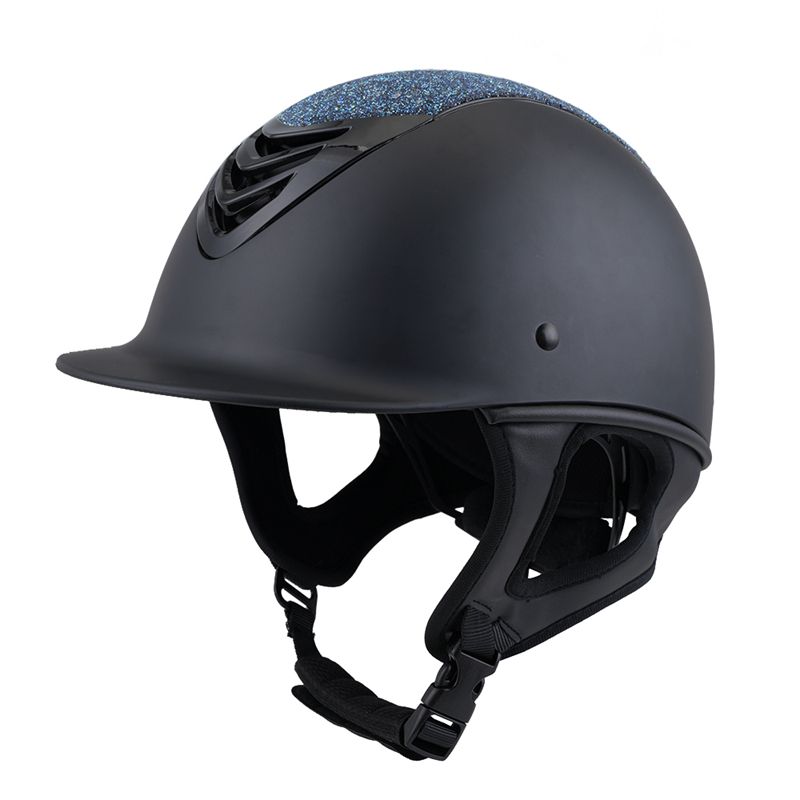
The future of the global equestrian helmet factory market hinges on adaptability to these trends. By focusing on safety, customization, sustainability, and digital expansion, manufacturers like CGpro Sports can position themselves for success in 2026 and beyond.